
01
Walk and identify
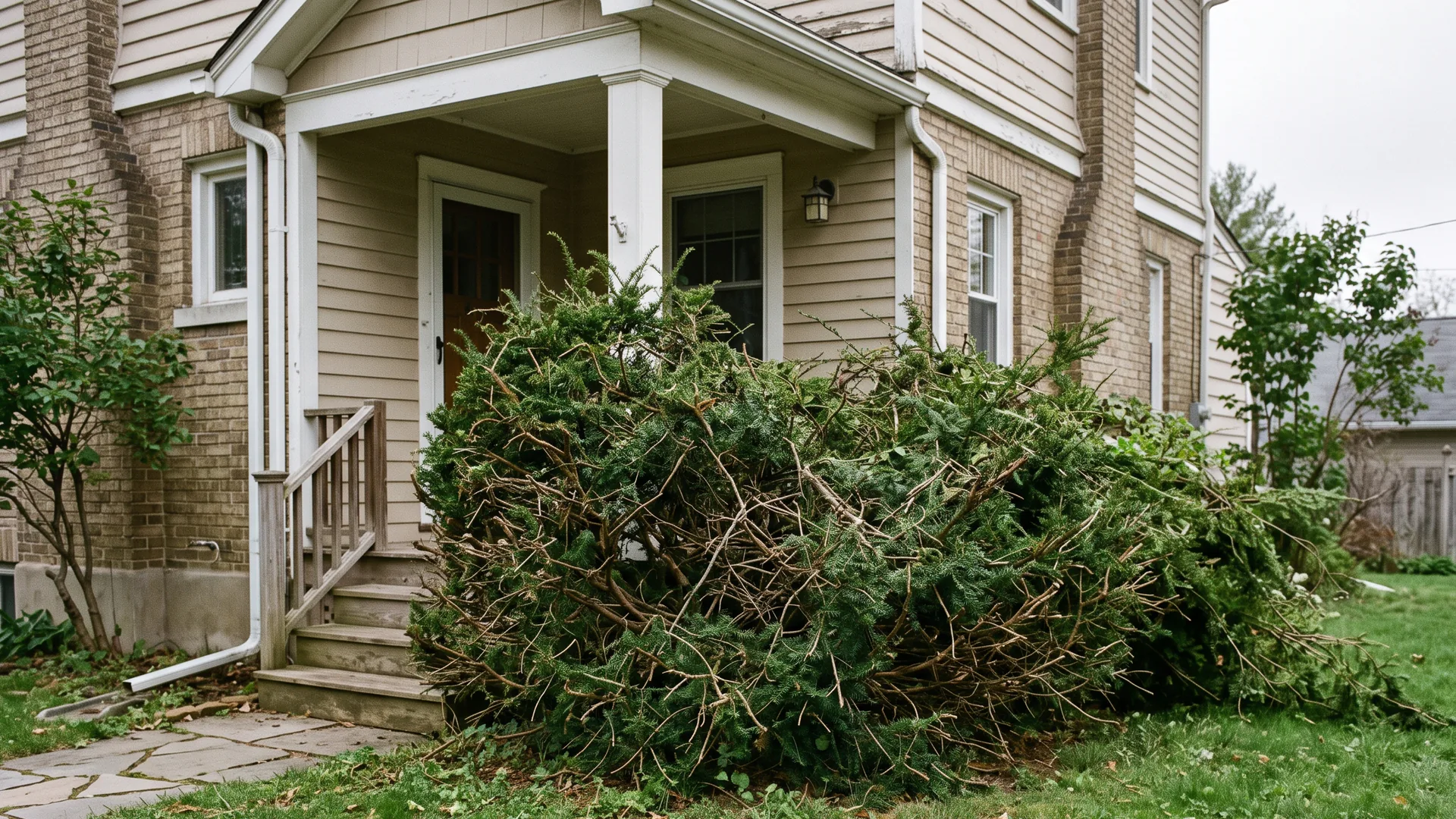
We identify what is growing, note bloom times, and flag anything overgrown, storm-damaged, or crowding a walk or window. Knowing the species is the whole job, because the plant sets the schedule.

ATLANTA · SHRUB TRIMMING & PRUNING
One team that knows what it planted prunes each shrub on its own schedule, so nothing gets cut at the wrong time.
SAMPLE PROJECT CONCEPT · ATLANTA METRO
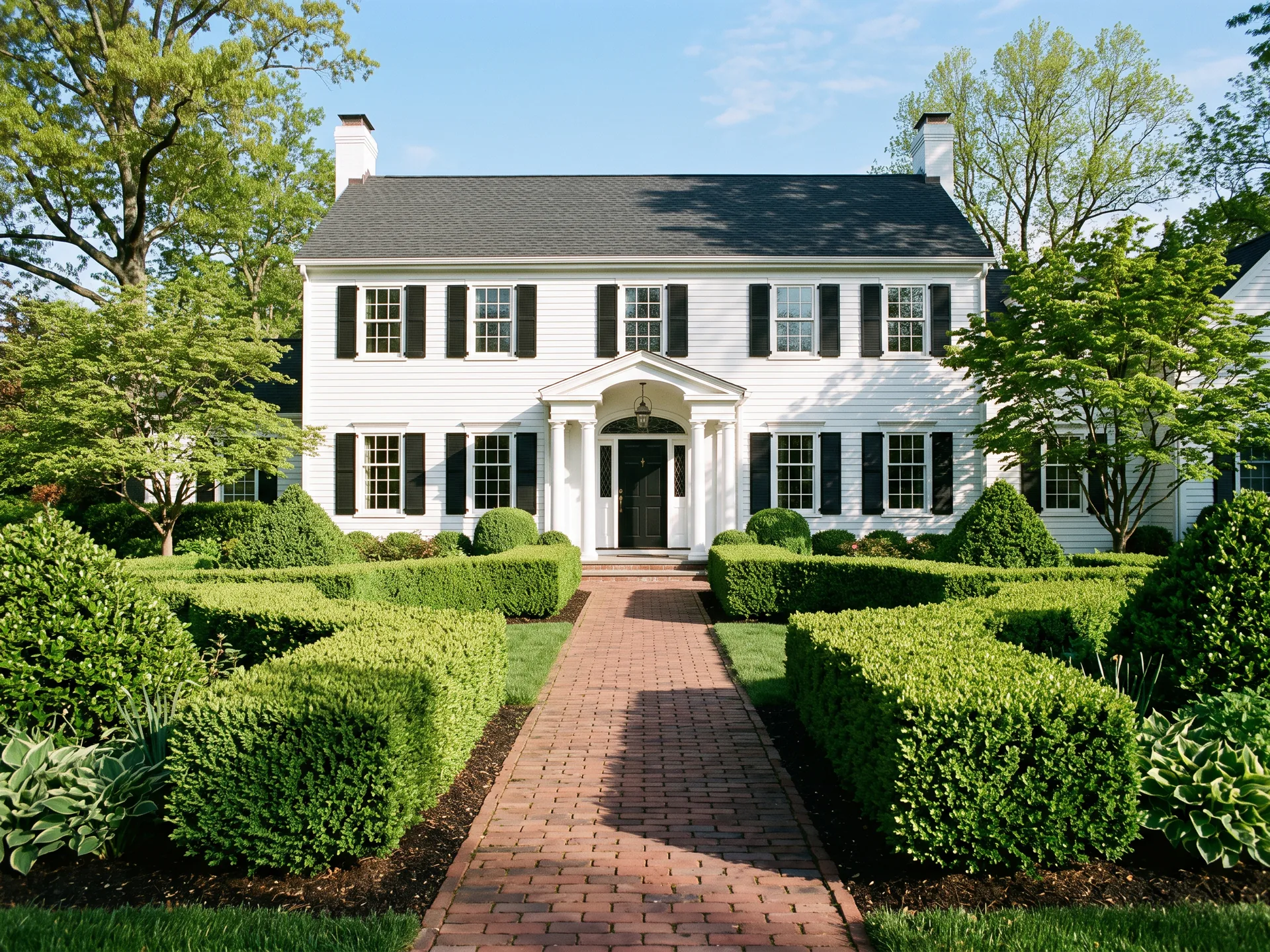
Pruning is less about neatness than timing. Cut a spring bloomer at the wrong moment and you remove next year's flowers before they open, which is the single most common mistake in Atlanta yards. We prune by species and by the calendar each plant actually keeps, so an azalea, a crape myrtle, and a boxwood on the same property get three different treatments in three different weeks.
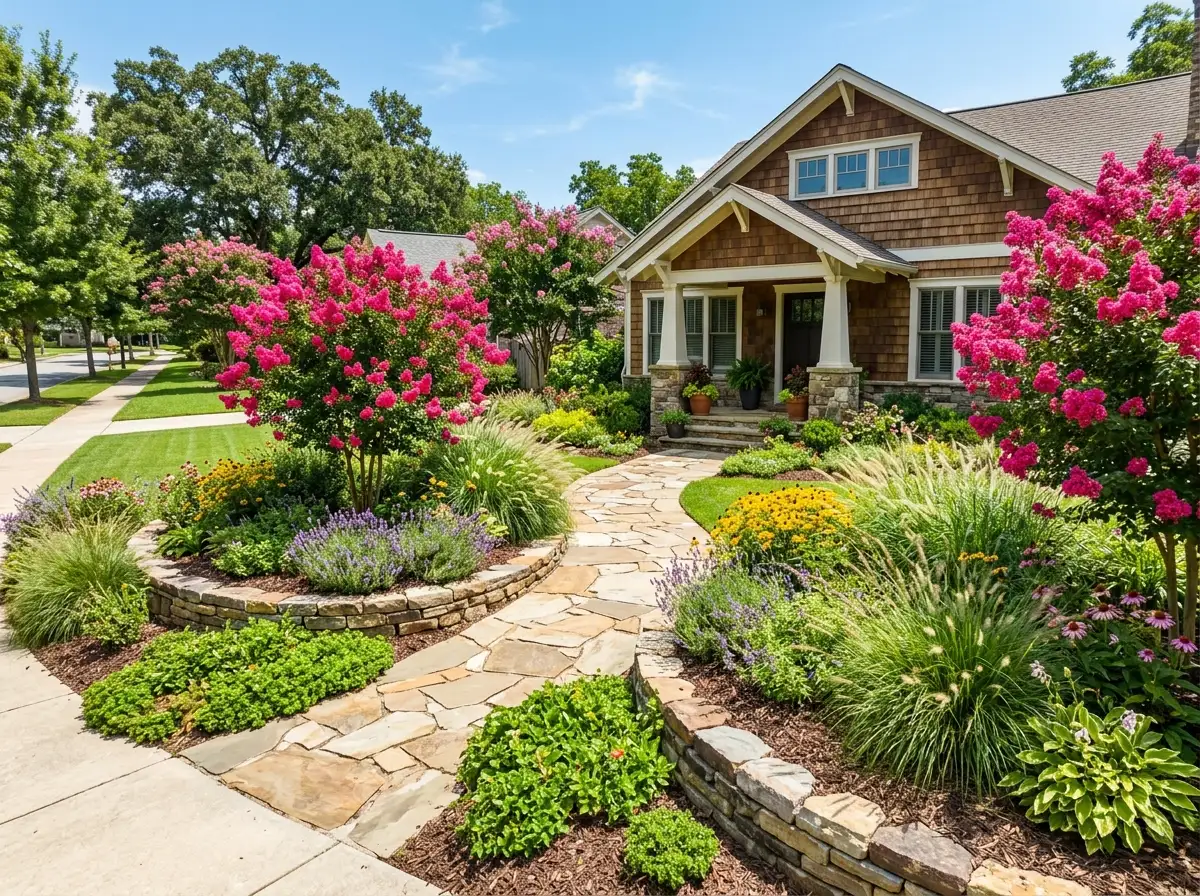
Spring bloomers set their buds on last year's wood, so azalea, camellia, gardenia, and loropetalum get pruned right after they finish flowering, never in fall. Crape myrtle and other summer bloomers are shaped in late winter while they are dormant, and we prune them by removing crossing and interior growth rather than topping the trunks, the harsh cut sometimes called crape murder that ruins a tree's natural form for years. Boxwood and holly hedges get sheared for a clean face or hand-thinned to let light into the center, depending on how formal the look should be. Hydrangeas are handled by type, since bigleaf varieties bloom on old wood and panicle varieties bloom on new, and treating them the same way loses a season of flowers.
OUR PROCESS FOR THIS SERVICE
We identify what is growing, note bloom times, and flag anything overgrown, storm-damaged, or crowding a walk or window. Knowing the species is the whole job, because the plant sets the schedule.
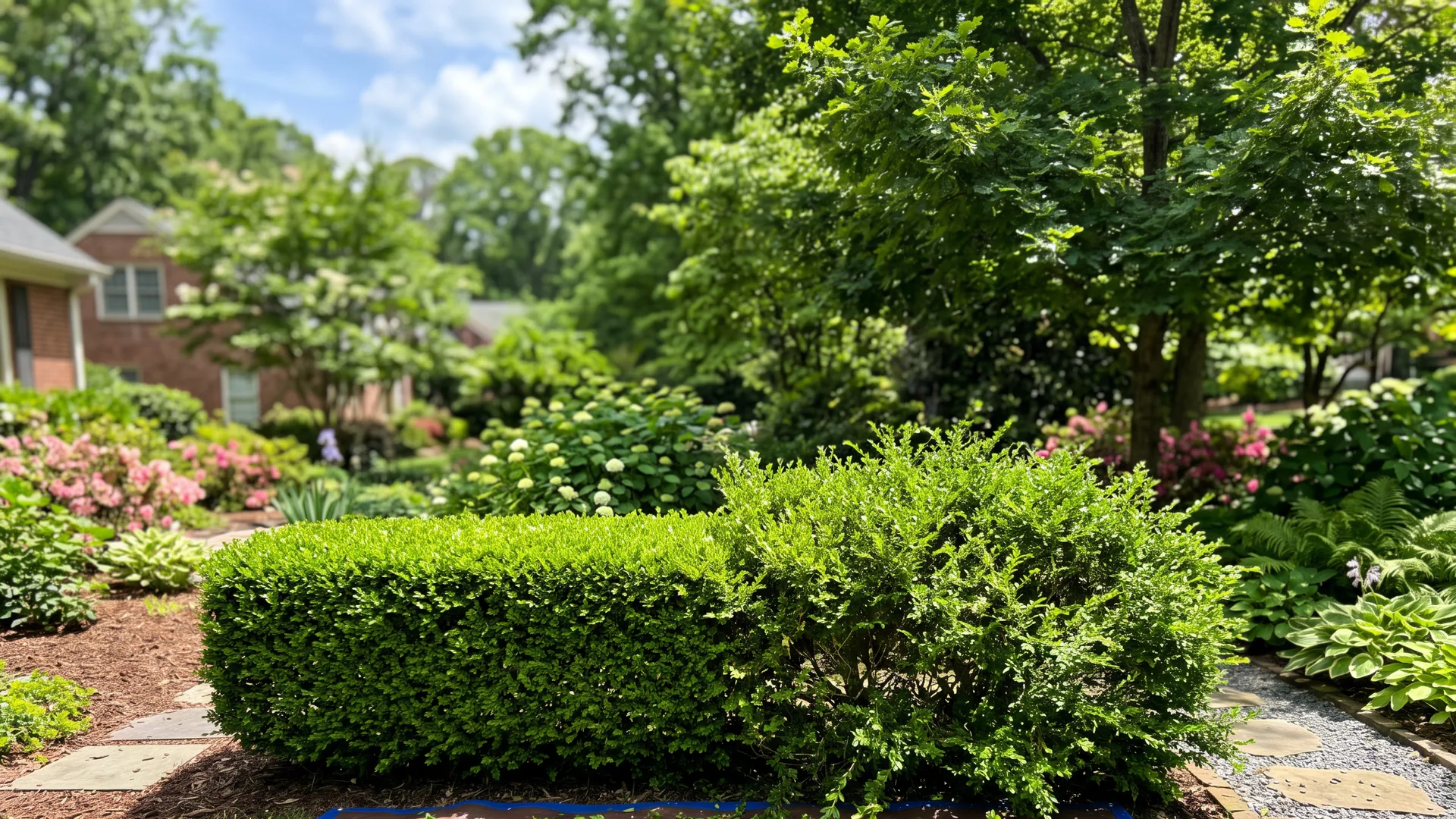
We cut for the reason the plant needs, whether that is shape, size control, air and light through the canopy, or renewal on a shrub that has gone woody and bare at the base. Hand tools for finish work, shears where a hedge line calls for it.
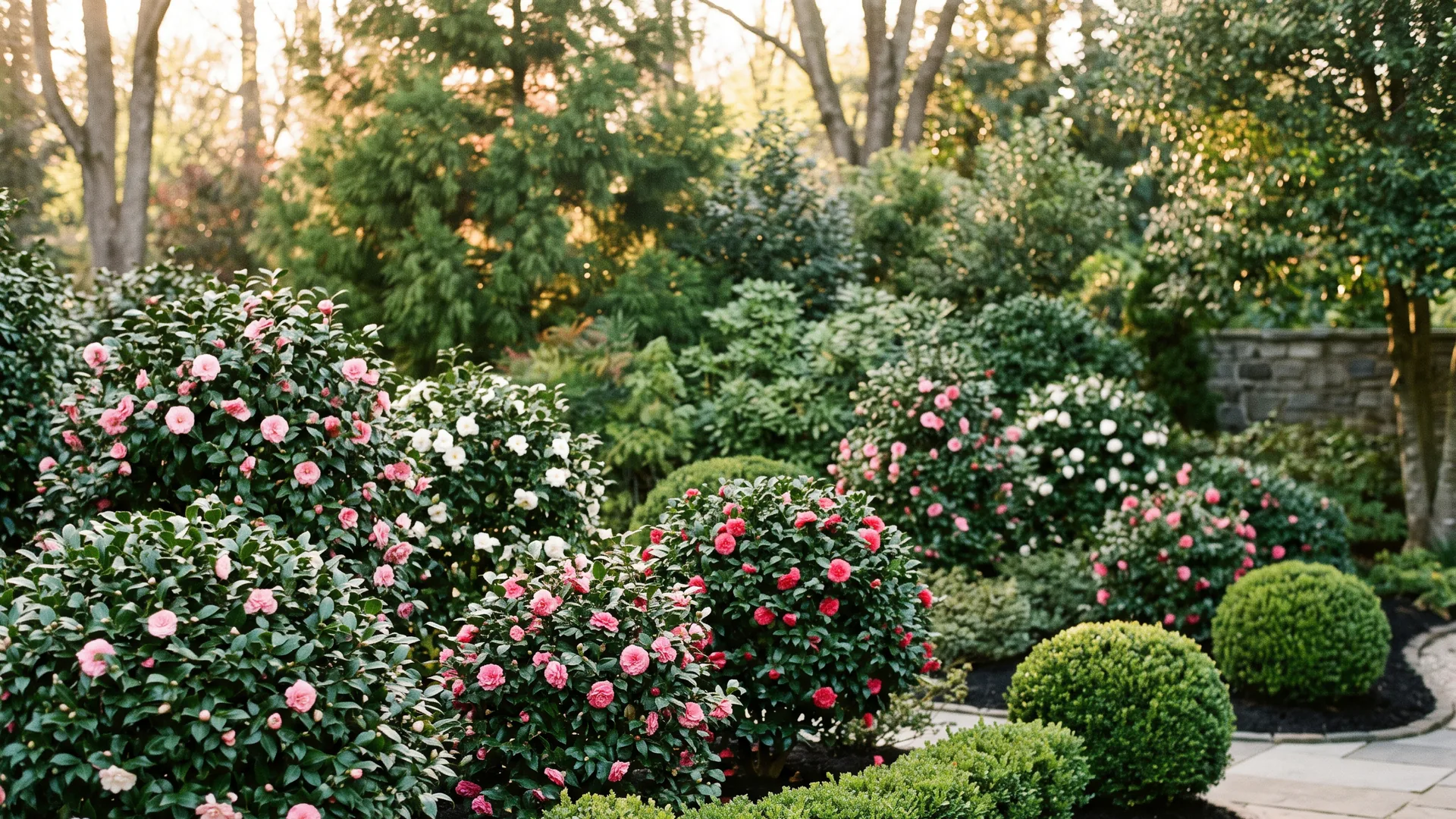
We clear every cutting, rake the beds, and leave the plant and the ground beneath it clean.
A visit includes selective pruning, shaping, deadheading spent blooms, and thinning where a shrub has grown too dense to breathe. We remove dead and crossing wood, lift lower branches where they crowd a path, and cut back overgrowth that has swallowed a window or a light. Storm-damaged limbs come out as we find them. What we do not do is shear everything into the same green box, because most shrubs look and bloom better when pruned to their own habit.
Because the same team designs, installs, and maintains, we often prune plants we put in the ground ourselves, which means we already know their age, their variety, and how hard they can be cut. That history is why our pruning gets more precise over time rather than starting from scratch each visit. A shrub kept on a steady schedule stays healthier and needs less drastic cutting as the seasons turn.
We prune across Atlanta, from the mature gardens of Virginia-Highland and Midtown to established beds in Brookhaven and Decatur. Buckhead and Druid Hills send us a lot of older, overgrown plantings that respond well to renewal pruning over a season or two. If a shrub has outgrown its spot or stopped blooming, we can tell you whether it needs shaping, thinning, or a harder reset.
See all areasIt depends on the shrub. Spring bloomers like azalea and camellia are pruned right after they flower, while crape myrtle and other summer bloomers are shaped in late winter. Pruning a spring bloomer in fall removes the buds it already set, so timing is matched to each species rather than a fixed month.
Shrub trimming and pruning pricing follows the number of plants, their size, and how overgrown they are. A quick shaping of a few foundation shrubs costs far less than a season's renewal pruning on a mature, neglected garden. We quote after seeing the plants and what they actually need.
Most shrubs benefit from pruning once or twice a year, timed to their bloom cycle rather than a set date. Fast growers and formal hedges may need a lighter touch more often to hold a clean line. A steady schedule keeps plants healthy and avoids the need for hard cutting later.
A shrub that stops blooming after pruning was usually cut at the wrong time. Spring bloomers set their flower buds on old wood the summer before, so cutting them in fall or winter removes next year's blooms. Pruning right after flowering avoids the problem entirely and protects the next season's show.
Crape murder is the harsh practice of topping crape myrtles back to thick stubs each year, and no, we do not do it. It destroys the tree's natural branching and forces weak, knobby regrowth. We prune crape myrtles by thinning crossing and interior branches while they are dormant in late winter.