01
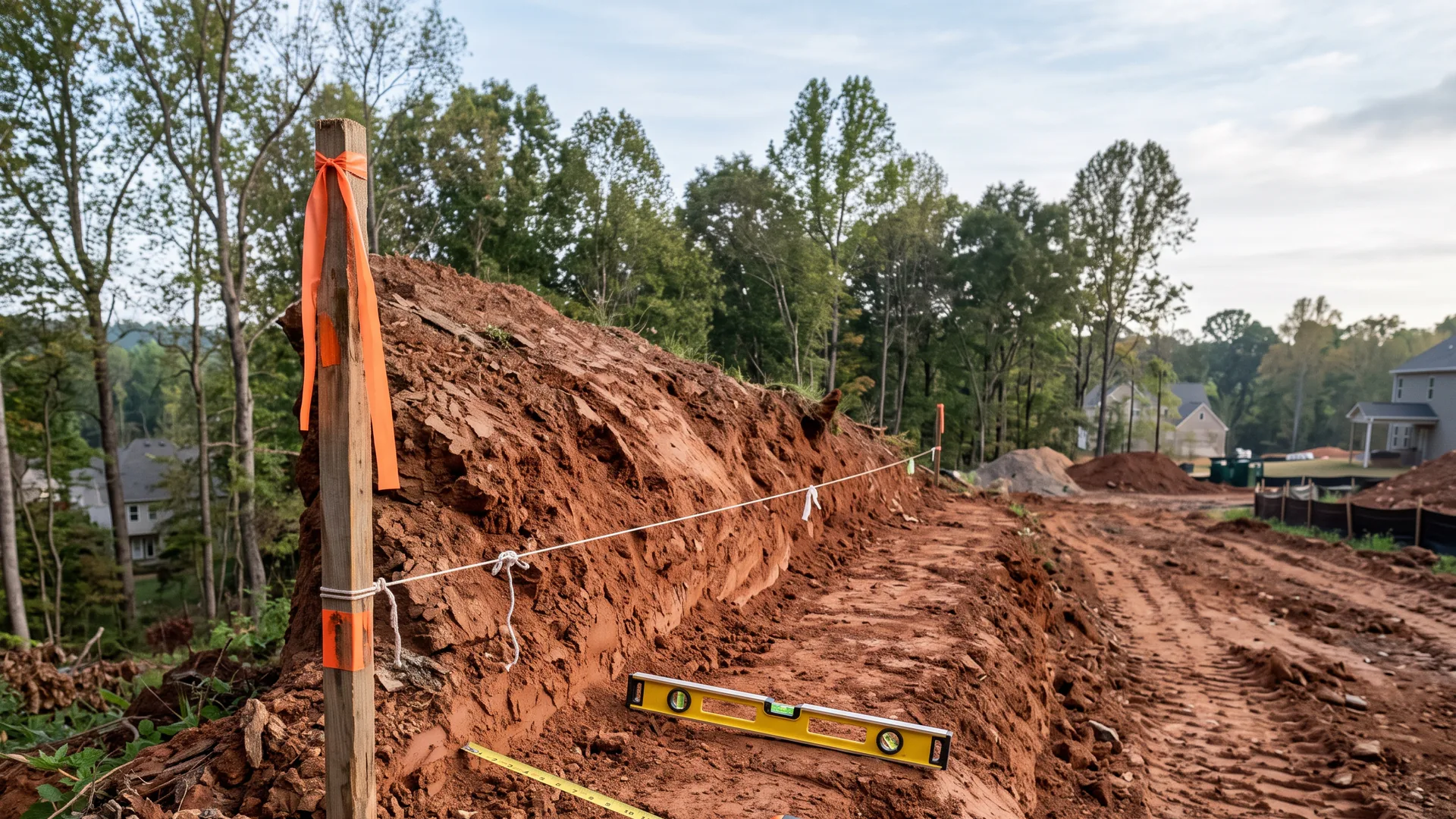
Slope and soil read
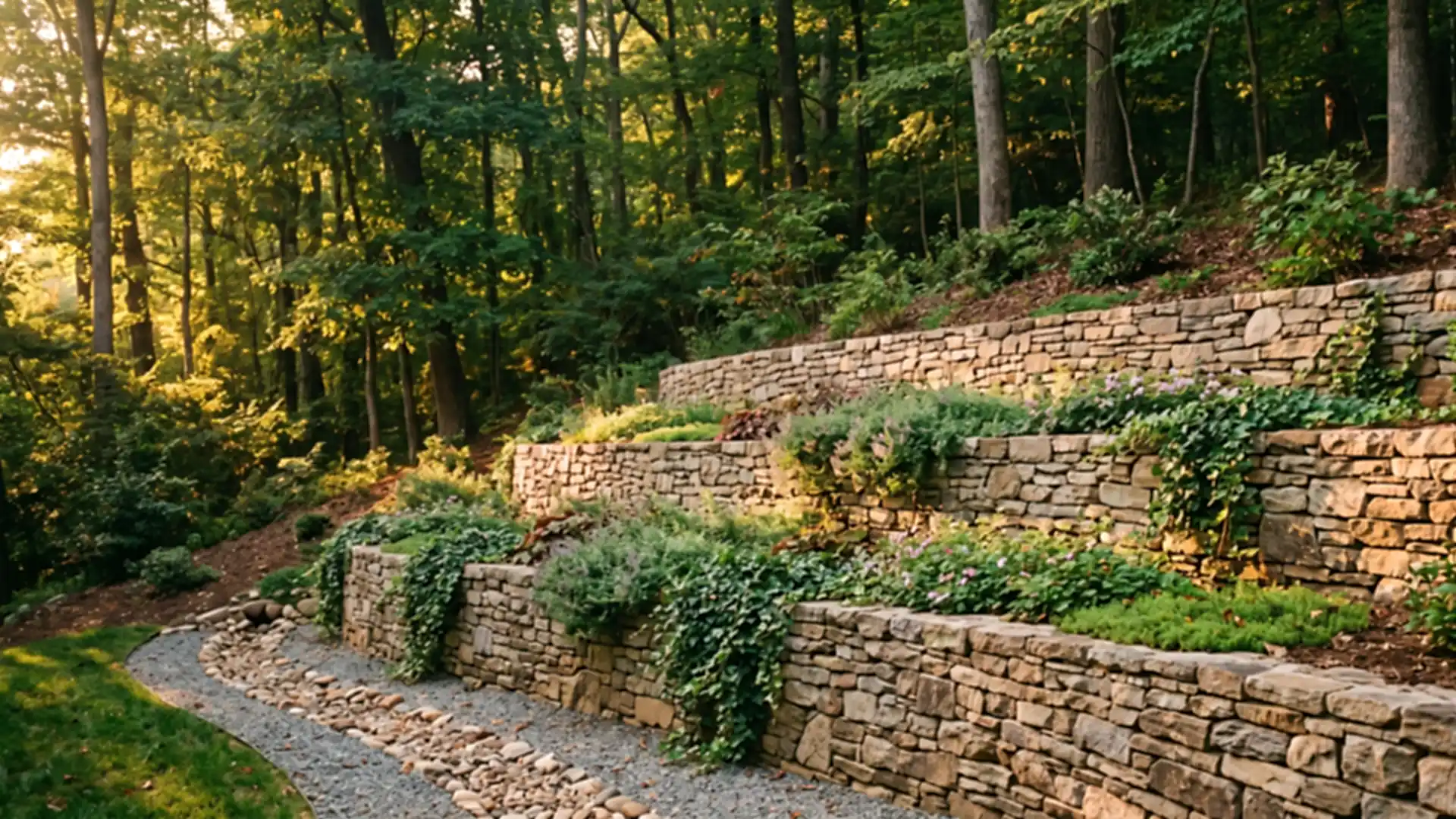
We walk the grade, measure the rise, and note where water currently runs. Georgia red clay holds water and swells, so we check how the soil behaves before we commit to a wall type or a footing depth.
ATLANTA · RETAINING WALLS
One team reads the slope, engineers the wall, and stays on to watch how it drains through the seasons it was built to hold.
SAMPLE PROJECT CONCEPT · ATLANTA METRO
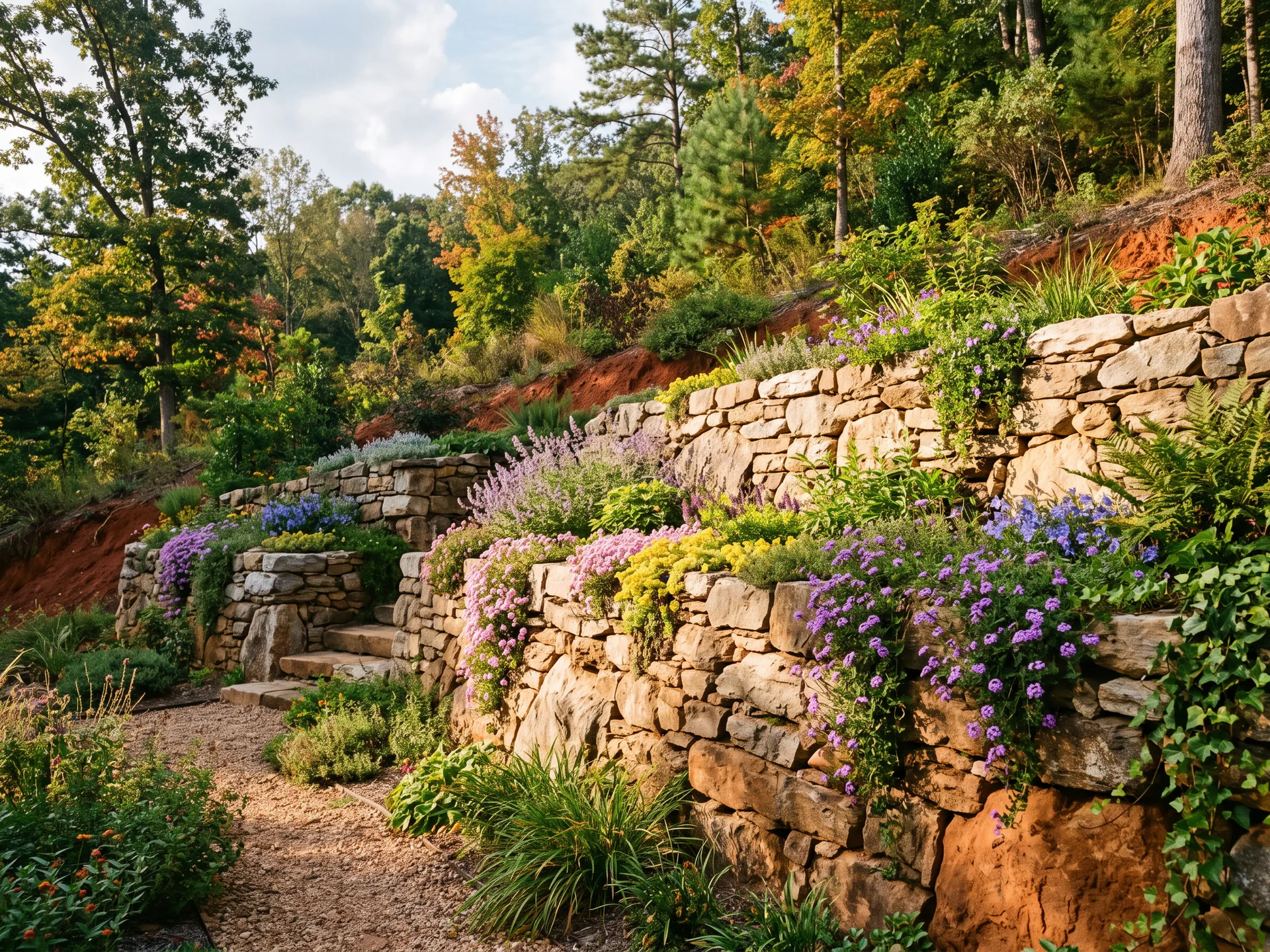
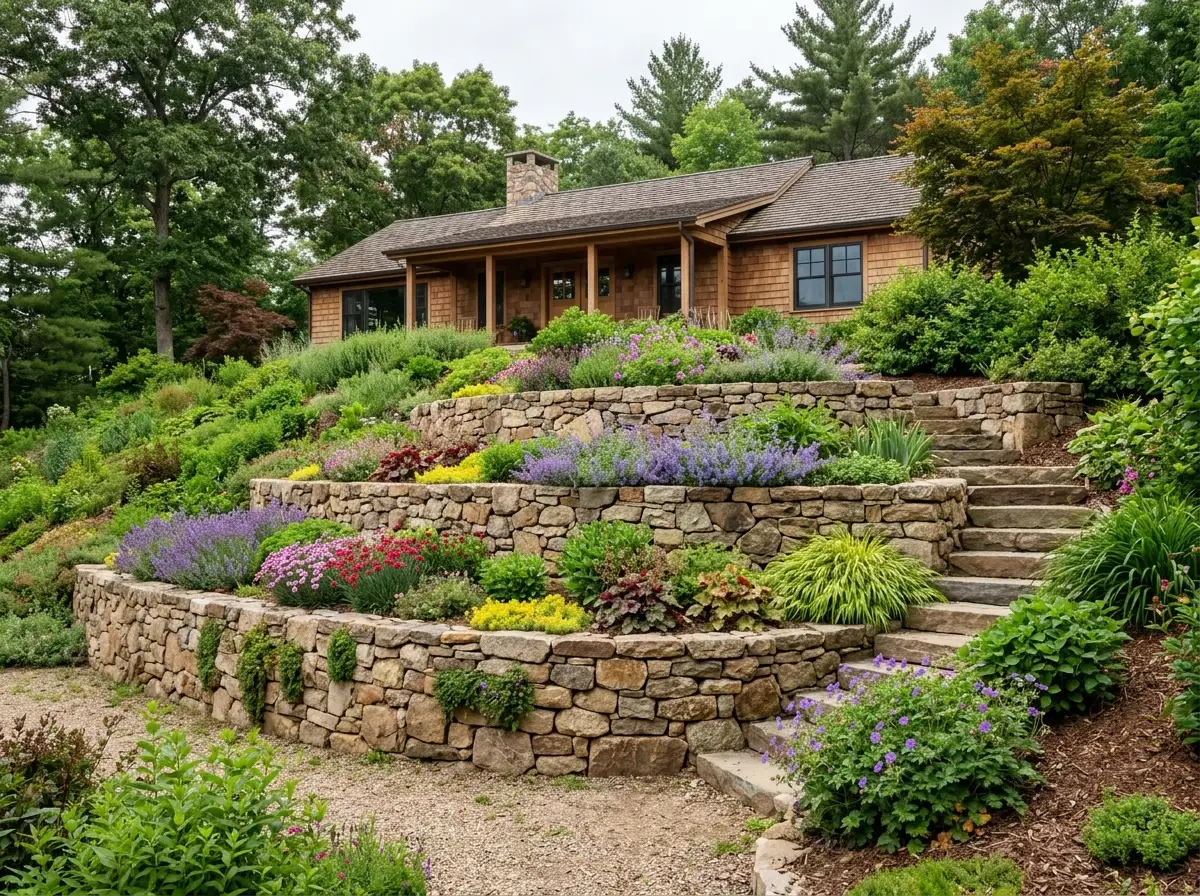
Atlanta sits on rolling terrain, and plenty of lots in Vinings, Buckhead, and Sandy Springs drop away faster than a usable yard allows. A retaining wall holds that grade in place, turning a slope you cannot mow into a level terrace, a wider drive, or a planting bed that stays put through a hard rain. The wall is structure first and finish second, which is why we treat every one as an engineering problem before it becomes a design choice.
We build in a few materials, and the right one depends on the height of the cut and the look you want. Segmental concrete block systems such as Allan Block and Versa-Lok stack fast and carry tall loads well when they are tied back with geogrid. Natural Georgia fieldstone and granite read softer and suit older homes where mortared stone already frames the property. Boulder walls handle rougher grade changes and lean into a naturalistic yard. Poured concrete, faced with veneer, goes where a clean straight line matters most.
OUR PROCESS FOR THIS SERVICE
We walk the grade, measure the rise, and note where water currently runs. Georgia red clay holds water and swells, so we check how the soil behaves before we commit to a wall type or a footing depth.
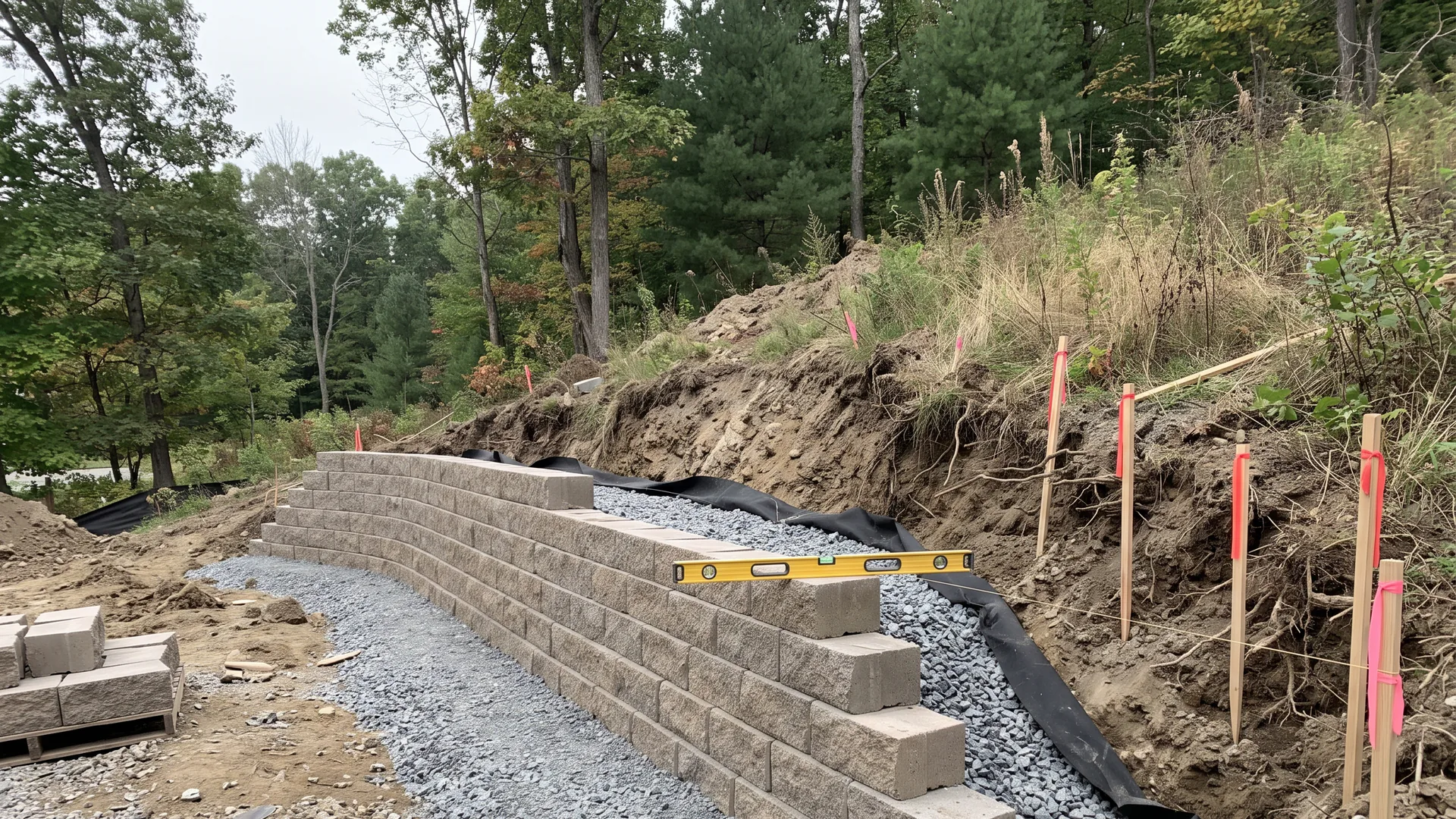
We size the base, set the batter, and lay out the reinforcement so the wall leans slightly into the hill it holds. Drainage is designed at the same time, with washed gravel behind the face, a perforated pipe at the footing, and weep points that give water somewhere to go.
We dig and compact the base, set the first course dead level, and build up course by course, compacting backfill in lifts as we climb. A wall is only as strong as what sits behind it, so this stage is slow on purpose.
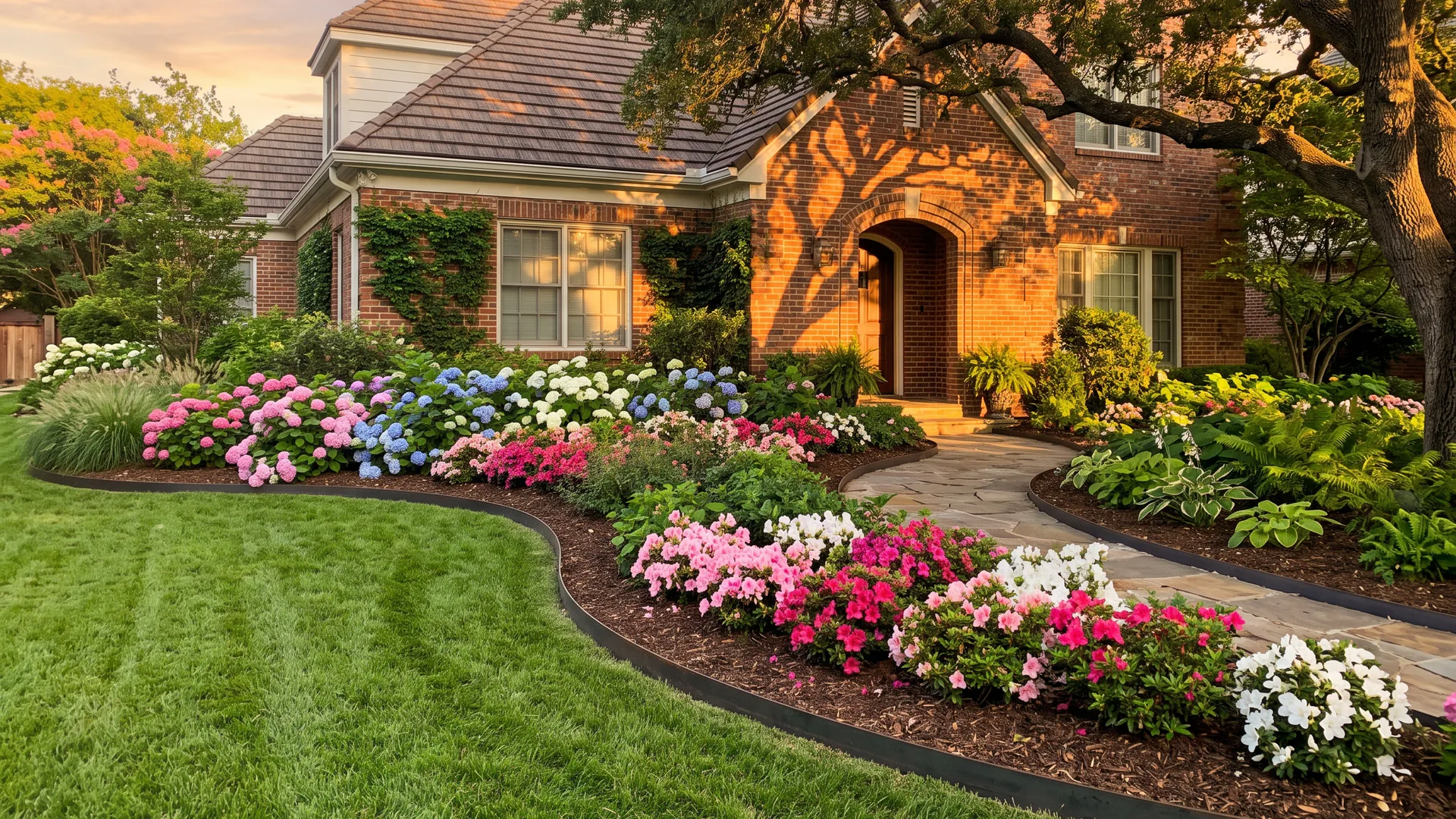
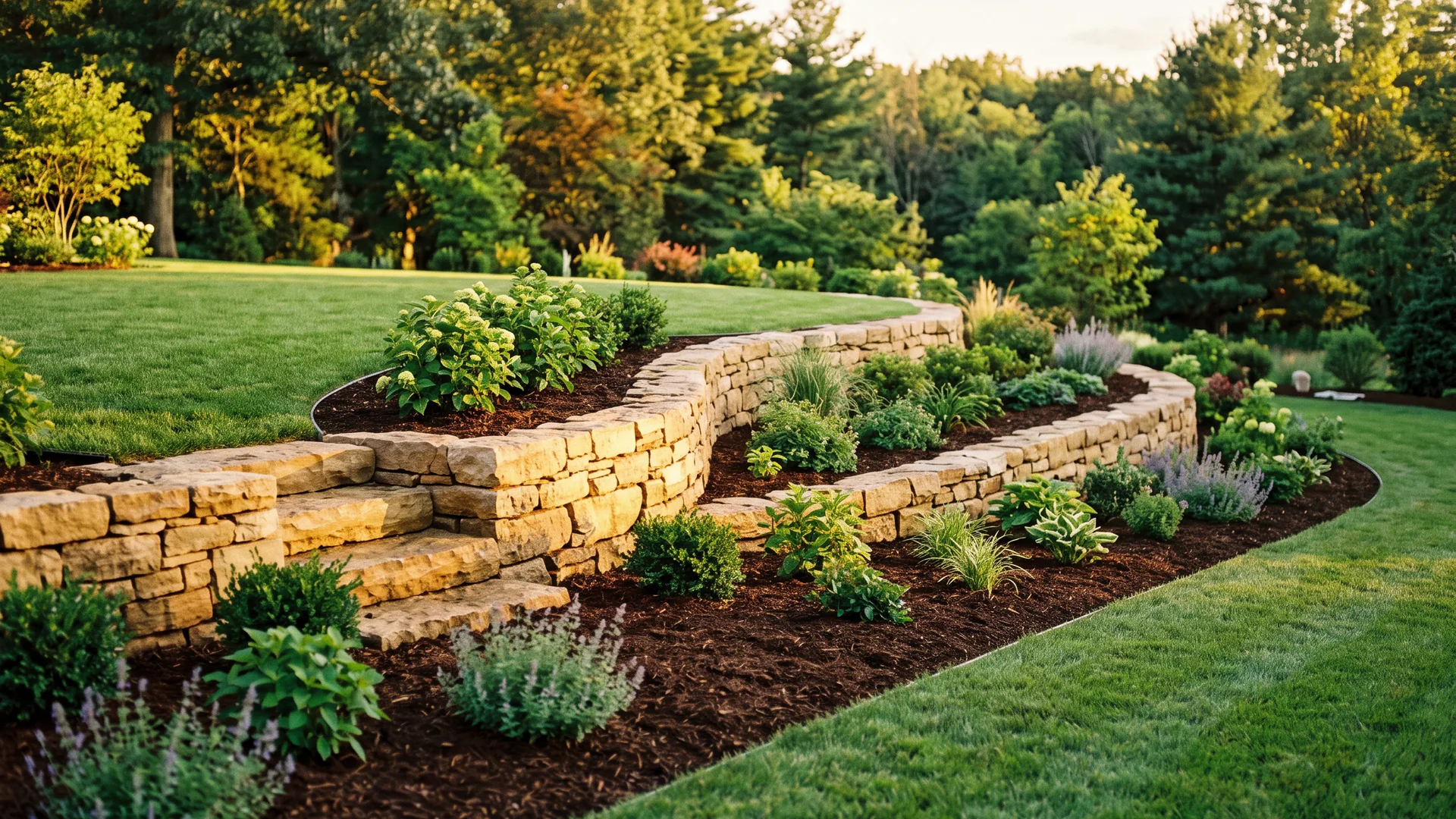
We cap the wall, dress the terrace, and grade the surface above so runoff sheds away from the face rather than saturating it.
Every wall we build starts with a proper footing and a drainage layer, because those are the two things that fail first when a wall is built in a hurry. We include the base excavation, compacted aggregate, geogrid where the height calls for it, gravel backfill, drain pipe, and capping. Taller structures get engineered accordingly, and we tell you plainly when a wall crosses the height where a stamped design is the responsible route.
Because we design, build, and maintain as one team, the wall does not leave our hands the day the last cap goes on. We know what we buried behind the face, so when we come back to plant the terrace or check the drain after a few seasons, we are reading our own work rather than guessing at someone else's. That continuity is the whole point of keeping design, construction, and upkeep under one roof.
We build retaining walls across Atlanta, from the steep back lots of Buckhead and Vinings out to Roswell and Marietta. Sandy Springs, Brookhaven, and East Cobb send us a steady share of grade-change projects, since their hilly parcels are exactly the kind a wall is built to tame. If your yard gives up more elevation than you can use, we can tell you what it would take to hold it.
See all areasRetaining wall pricing follows height, length, and material, so a short garden wall costs a fraction of a tall reinforced structure. Segmental block runs less than natural stone or boulders for the same run. We measure the grade, size the footing and reinforcement, and quote a fixed price after walking the slope.
Most residential walls take three to seven days depending on height, length, and how much excavation the grade needs. Reinforced block walls with geogrid and heavy backfill take longer than a low garden wall. Wet weather can extend the schedule, since we compact backfill in dry lifts for a wall that holds.
Yes. Water pressure behind a wall is the most common reason walls bulge or fail, so every wall we build includes gravel backfill and a perforated drain pipe. In Atlanta's clay soil that drainage layer matters even more, because clay holds water against the wall instead of letting it pass.
There is no single best material; the right choice depends on wall height, the look you want, and your budget. Segmental block suits tall reinforced walls, natural fieldstone and granite fit traditional homes, and boulders work for naturalistic grade changes. We match the material to the slope during the first site walk.
Yes, Prestige Prime Landscapes is licensed and insured. Because the same team designs, builds, and maintains your landscape, the crew that engineers the wall is also the one that returns to plant the terrace above it or check its drainage a season later. That continuity keeps the work accountable from footing to cap.